

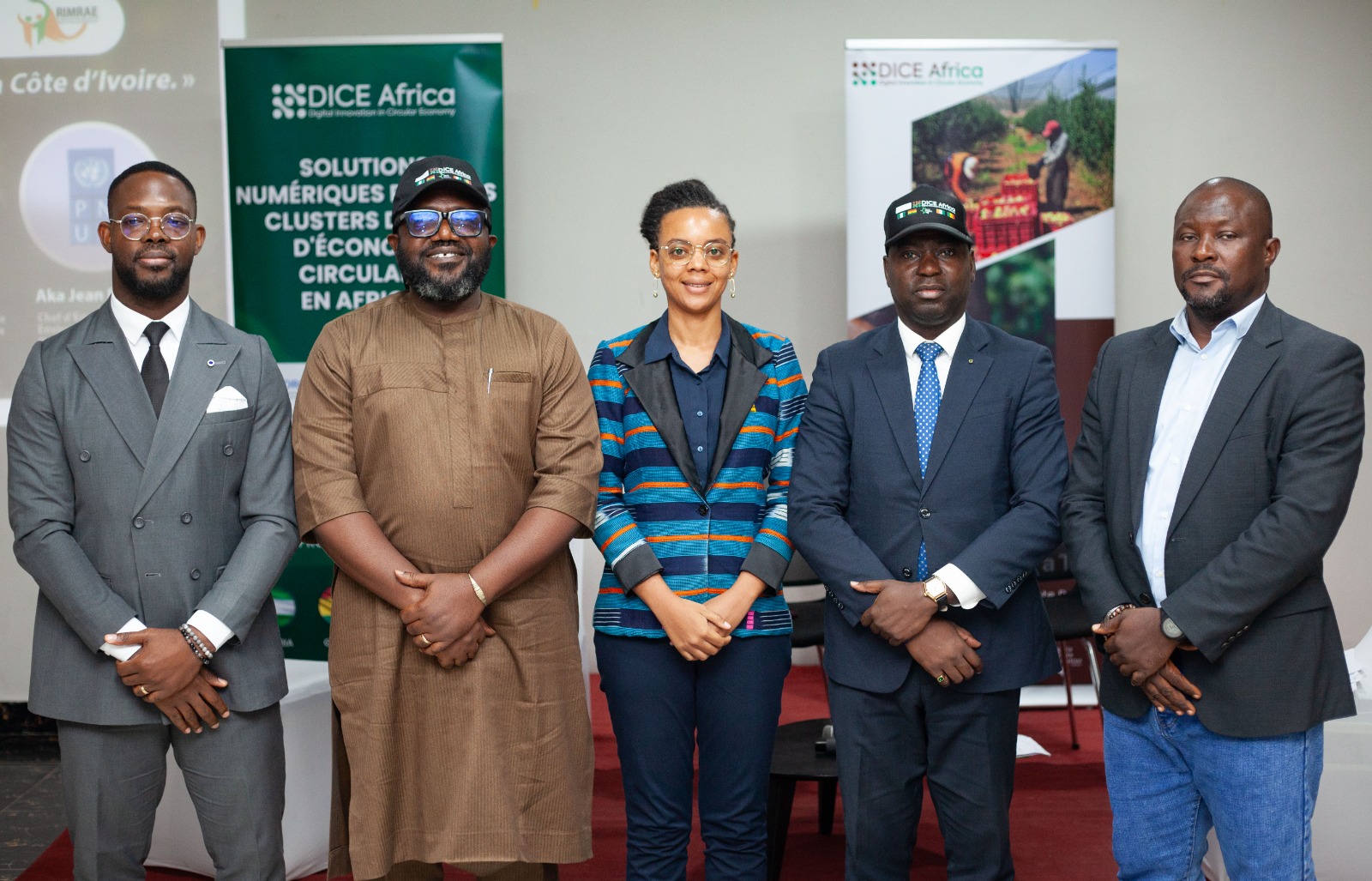
On March 17, 2026, a powerful step was taken toward Africa’s sustainable future as the DICE Africa (Digital Innovation for Circular Economy in Africa) project was officially launched in Abidjan, Côte d’Ivoire. Hosted at Hotel La Rose Blanche in Cocody, the high-level inception workshop brought together policymakers, innovators, development partners, and private sector leaders committed to shaping a more resilient and circular economy across the continent.
A Strategic Moment for Climate and Economic Transformation
The launch comes at a critical time when Côte d’Ivoire is strengthening its climate commitments through its Nationally Determined Contribution (NDC 3.0) and National Adaptation Plan. With increasing pressure from climate change, resource depletion, and rapid urbanization, the country is positioning the circular economy as a key driver of sustainable growth.
DICE Africa aligns directly with these national priorities offering a practical, innovation-driven approach to scale circular economy solutions through digital technology and data.
Implemented by the Nigeria Climate Innovation Center (NCIC) and funded by Canada’s International Development Research Centre (IDRC), the project is being rolled out across Nigeria, Ghana, Côte d’Ivoire, and Senegal, targeting high-impact sectors and unlocking opportunities for SMEs.
From Vision to Action: Stakeholders Driving Change
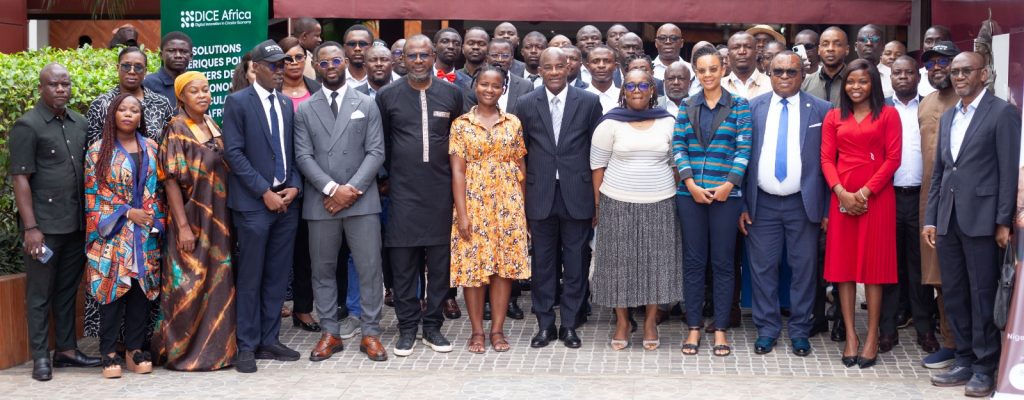
The workshop convened 68 participants from across government, academia, private sector, and development institutions, reinforcing the multi-stakeholder approach required to drive systemic change.
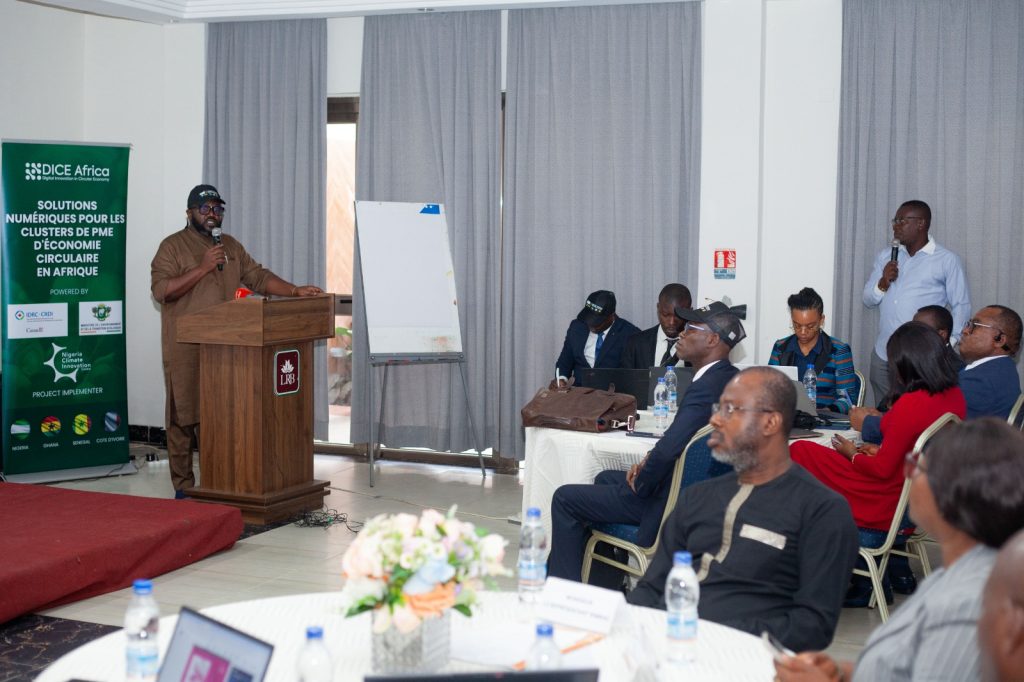
Delivering the project presentation, Mr. Bankole Oloruntoba, CEO of NCIC, emphasized a powerful truth:
Africa has always practiced circularity through reuse, repair, and recycling—but the opportunity now lies in scaling these practices through digital innovation.
He highlighted the immense economic potential of the sector, noting that e-waste recycling alone could generate over $55 billion across Africa, positioning the circular economy not just as an environmental necessity but a major economic opportunity.
Why DICE Africa Matters
At its core, DICE Africa is designed to identify, map, and scale impact areas where digital solutions can strengthen circular economy SME clusters.
The project is anchored on four key pillars:
- Digital Innovation & Technology
- SME Support & Growth
- Gender Equality & Inclusion
- Access to Climate Finance
This approach ensures that the transition to a circular economy is not only sustainable but also inclusive, creating opportunities for women, youth, and informal sector actors who are already at the heart of Africa’s resource systems.
The Power of Digital in Scaling Circular Solutions
One of the most compelling conversations during the workshop centered on how digital tools can accelerate circular economy systems. Experts identified three critical levers:
- Traceability: Using technologies like QR codes and geolocation to track waste and resource flows
- Networking: Building digital marketplaces that connect collectors, recyclers, and manufacturers
- Data Access: Providing real-time insights to improve decision-making and unlock financing opportunities
These solutions are not just theoretical, they represent practical pathways to formalizing and scaling existing informal systems across Africa.
Addressing the Funding Gap for SMEs
A recurring theme throughout the discussions was the challenge SMEs face in accessing finance. Traditional banking systems often overlook circular economy ventures, despite their impact potential.
However, stakeholders highlighted alternative funding pathways, including:
- Climate finance mechanisms such as the GEF Small Grants Programme
- The Canada Fund for Local Initiatives (CFLI)
- Government-backed support and incubation programs
- Innovation-driven funding through development partners
DICE Africa aims to bridge this gap by making SMEs more bankable through data, structure, and digital integration.
Unlocking Opportunities Across Key Sectors
The panel discussions identified agriculture, waste management, recycling, and resource recovery as high-potential sectors for circular innovation.
With over 20 million tons of agricultural waste generated annually in Côte d’Ivoire, the opportunity to transform “waste into resources” is both urgent and economically viable.
The message was clear:
Circular economy is not just about sustainability it is about redefining value.
A Strong Call for Collaboration
The success of DICE Africa hinges on collaboration across five key stakeholder groups:
- Government
- Private sector & investors
- Academia
- SMEs & startups
- Development partners
By strengthening these connections, the project aims to build an ecosystem where innovation can thrive and scale sustainably.
Key Takeaways from the Launch
- Circular economy is a strategic pathway for climate resilience and economic growth
- Digital innovation is essential to improve efficiency, traceability, and competitiveness
- Access to finance remains a critical barrier but also a major opportunity
- Inclusion of women, youth, and informal actors is key to long-term impact
- Partnerships will define the speed and success of Africa’s transition
What Comes Next
Following the launch, DICE Africa will move into its implementation phase, which includes:
- Data collection and field research across participating countries
- Stakeholder engagement and capacity-building programs
- Development of innovation pilots and digital solutions
- Policy recommendations to support circular economy growth
- Creation of financing pathways for SMEs
A Defining Moment for Africa’s Circular Future
The launch of DICE Africa in Côte d’Ivoire is more than an event; it is a commitment to reimagining Africa’s economic future.
As the continent navigates climate challenges and rapid development, initiatives like DICE Africa are proving that innovation, when combined with local knowledge and strong partnerships, can unlock transformative change.
The journey has begun and the opportunity is vast.




 French
  English